
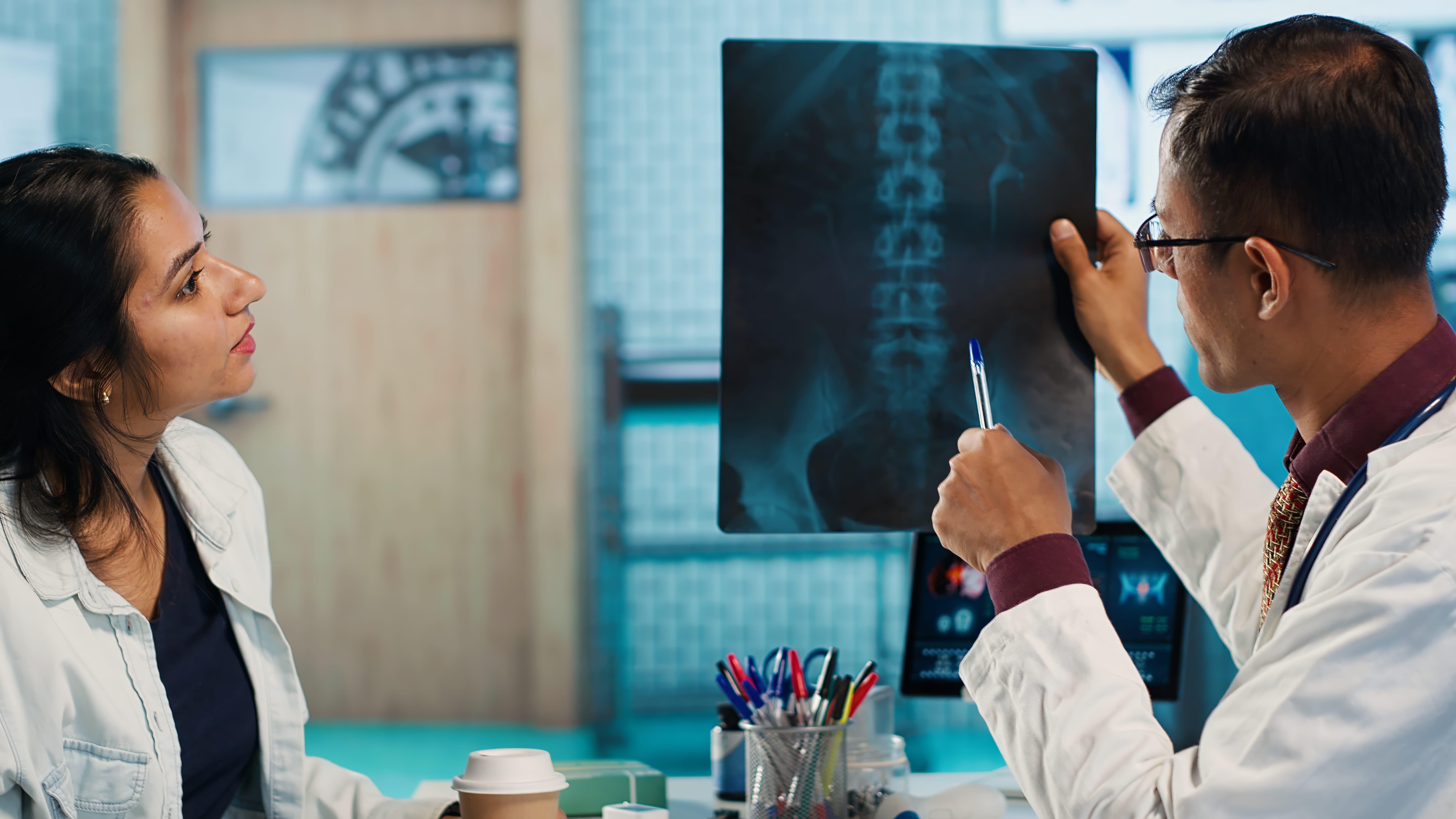
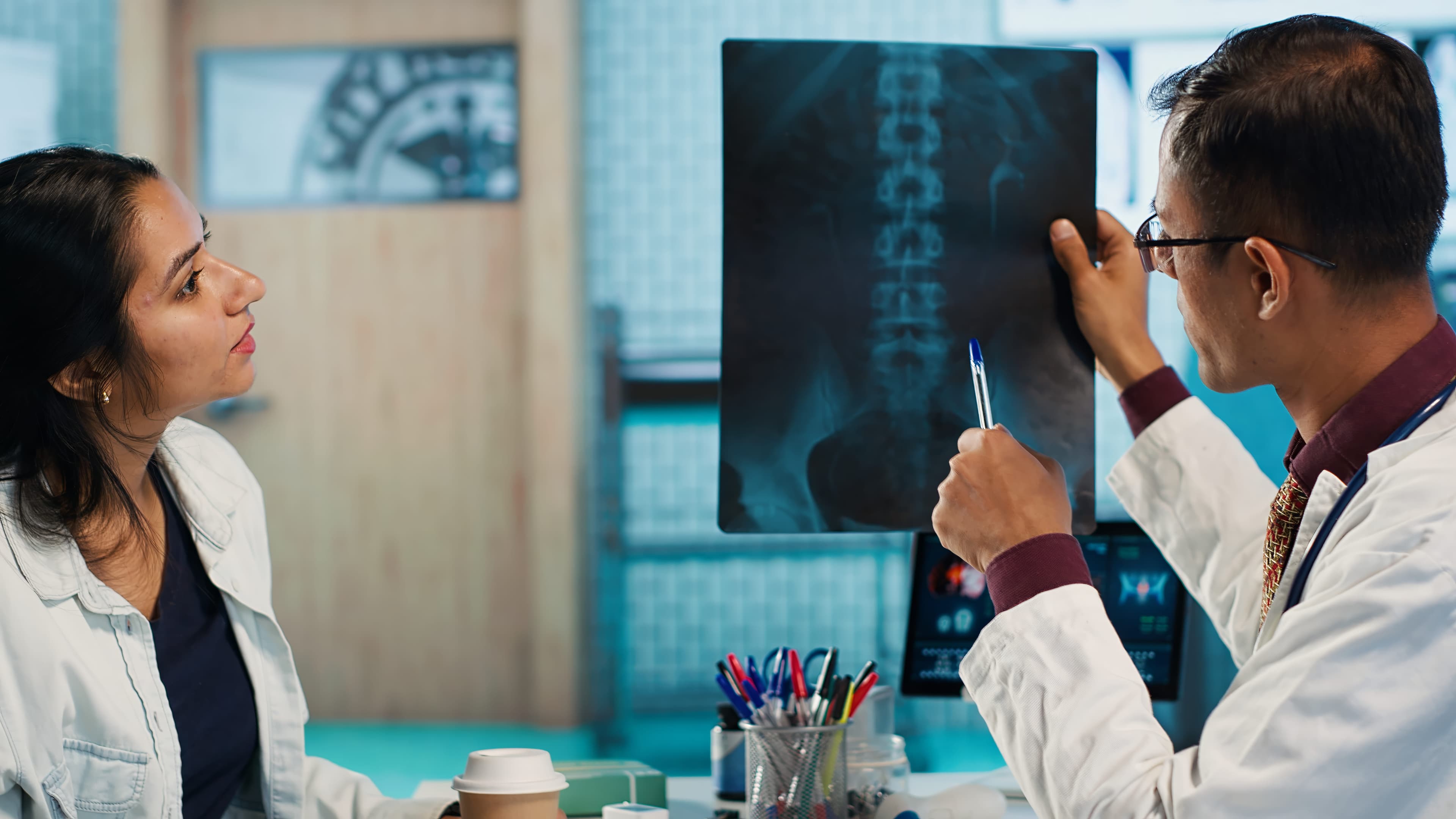
An X-ray is one of the most commonly used diagnostic imaging tests to help doctors examine the internal structures of the body. It is quick, widely available, and can provide useful information about bones, joints, the chest, and several other areas of the body.
At Nex Doze, we provide reliable diagnostic imaging services designed to make the testing process simple and convenient for patients. Our focus is on clear imaging, a comfortable experience, and dependable support throughout the diagnostic process.
If your doctor has recommended an X-Ray Test in Delhi, choosing a diagnostic centre with appropriate imaging technology and trained professionals can help ensure that the examination is carried out properly.
What Is an X-Ray?
An X-ray is a medical imaging test that uses a small amount of radiation to create images of structures inside the body. Different tissues absorb X-rays differently, allowing certain areas to appear more clearly on the resulting image.
Bones, for example, absorb more X-rays and usually appear white on an X-ray image. Softer tissues allow more X-rays to pass through and may appear in different shades of grey.
X-rays are commonly used to examine bones and joints, but they can also be used to evaluate the chest and other parts of the body.
The test is generally quick and does not usually require a lengthy preparation process.
Why Is an X-Ray Done?
Doctors may recommend an X-ray when they need to examine a particular part of the body or investigate symptoms.
Some common reasons for an X-ray include:
The exact type of X-ray depends on the symptoms, medical history, and the area that needs to be examined.
Common Types of X-Ray Examinations
X-rays can be performed on different parts of the body depending on what your doctor needs to evaluate.
Chest X-Ray
A chest X-ray is commonly used to examine the lungs, heart, and surrounding structures. It may be recommended for certain respiratory symptoms, persistent cough, chest discomfort, or other medical concerns.
Bone and Joint X-Ray
X-rays are frequently used to assess fractures, dislocations, joint problems, and changes affecting bones. Common examinations include X-rays of the hand, wrist, elbow, shoulder, knee, ankle, foot, and other areas.
Spine X-Ray
A spine X-ray may be recommended to examine the alignment and structure of the spine. Depending on the symptoms, different sections such as the cervical, thoracic, or lumbar spine may be evaluated.
Abdominal X-Ray
In selected situations, an abdominal X-ray may help doctors assess certain conditions involving the abdomen. The doctor decides whether this examination is appropriate based on the patient's symptoms.
How Does an X-Ray Test Work?
The process is generally straightforward.
When you arrive for your examination, the diagnostic team may ask you to remove certain metal objects or clothing items that could interfere with the image. You may then be positioned according to the body part being examined.
The X-ray machine produces a small amount of radiation that passes through the body and creates an image on a detector.
You may be asked to remain still or hold your breath briefly, particularly during certain chest examinations. This helps reduce movement and can improve image clarity.
Most X-ray examinations take only a few minutes, although the overall visit may take longer depending on registration, preparation, and the type of examination required.
Is an X-Ray Safe?
X-rays use a controlled amount of radiation to produce medical images. The amount used during a standard diagnostic X-ray is generally low.
Healthcare professionals take appropriate precautions to limit unnecessary radiation exposure. The examination should be performed when medically appropriate and according to the instructions of the healthcare professional.
If you are pregnant or think you may be pregnant, inform the radiology or healthcare team before the examination. This information helps the medical team determine the most appropriate approach.
Do You Need to Prepare for an X-Ray?
Preparation depends on the type of X-ray being performed.
For many routine X-rays, no special preparation is required. However, certain examinations may have specific instructions.
You may be asked to:
It is always best to follow the instructions provided by your doctor or diagnostic centre.
What Happens After the X-Ray?
Once the images are obtained, they are reviewed by an appropriately qualified radiologist or healthcare professional. The findings are then documented in a report.
Your doctor can interpret the results along with your symptoms, medical history, physical examination, and other test results.
An X-ray image should not be interpreted in isolation. Your healthcare professional can explain what the findings mean for your individual situation and whether additional tests or treatment are needed.
Why Choose Nex Doze for an X-Ray?
Choosing the right diagnostic centre is an important part of your testing experience. At Nex Doze, we aim to provide a patient-friendly diagnostic environment with a focus on reliable imaging and professional support.
Our approach includes:
Modern Diagnostic Facilities
Appropriate imaging equipment can help produce clear and useful diagnostic images. Our facilities are designed to support routine diagnostic imaging requirements.
Trained Professionals
X-ray examinations require appropriate patient positioning and imaging techniques. Trained professionals help ensure that the examination is performed according to the required protocol.
Patient-Friendly Experience
We understand that visiting a diagnostic centre can sometimes feel stressful. Our team aims to make the process simple, organized, and comfortable.
Reliable Reporting
Accurate imaging is an important part of diagnosis. The obtained images are reviewed as part of the reporting process so that your doctor can use the findings alongside other clinical information.
When Should You Get an X-Ray?
An X-ray should generally be performed when recommended by a doctor or healthcare professional based on your symptoms or medical needs.
If you have experienced an injury, unexplained bone or joint pain, persistent respiratory symptoms, or another concern for which imaging has been recommended, your doctor may suggest an X-ray.
Avoid choosing a diagnostic test solely based on symptoms without professional guidance. Different conditions can require different types of imaging, and your healthcare provider can recommend the appropriate examination.
Book an X-Ray Test in Delhi at Nex Doze
If you have been advised to undergo an X-ray, Nex Doze aims to make the diagnostic process straightforward and convenient. From examination to reporting, our focus is on providing dependable diagnostic imaging services in a patient-friendly environment.
Whether you need a chest X-ray, bone X-ray, joint X-ray, spine X-ray, or another routine examination, our team can guide you through the process based on your doctor's recommendation.
For patients looking for an X-Ray Test in Delhi, Nex Doze provides diagnostic imaging services with a focus on quality, convenience, and patient care.
Talk to Nex Doze today to understand the available X-ray services and schedule your examination as advised by your healthcare professional.